

Waves Beneath the Numbers
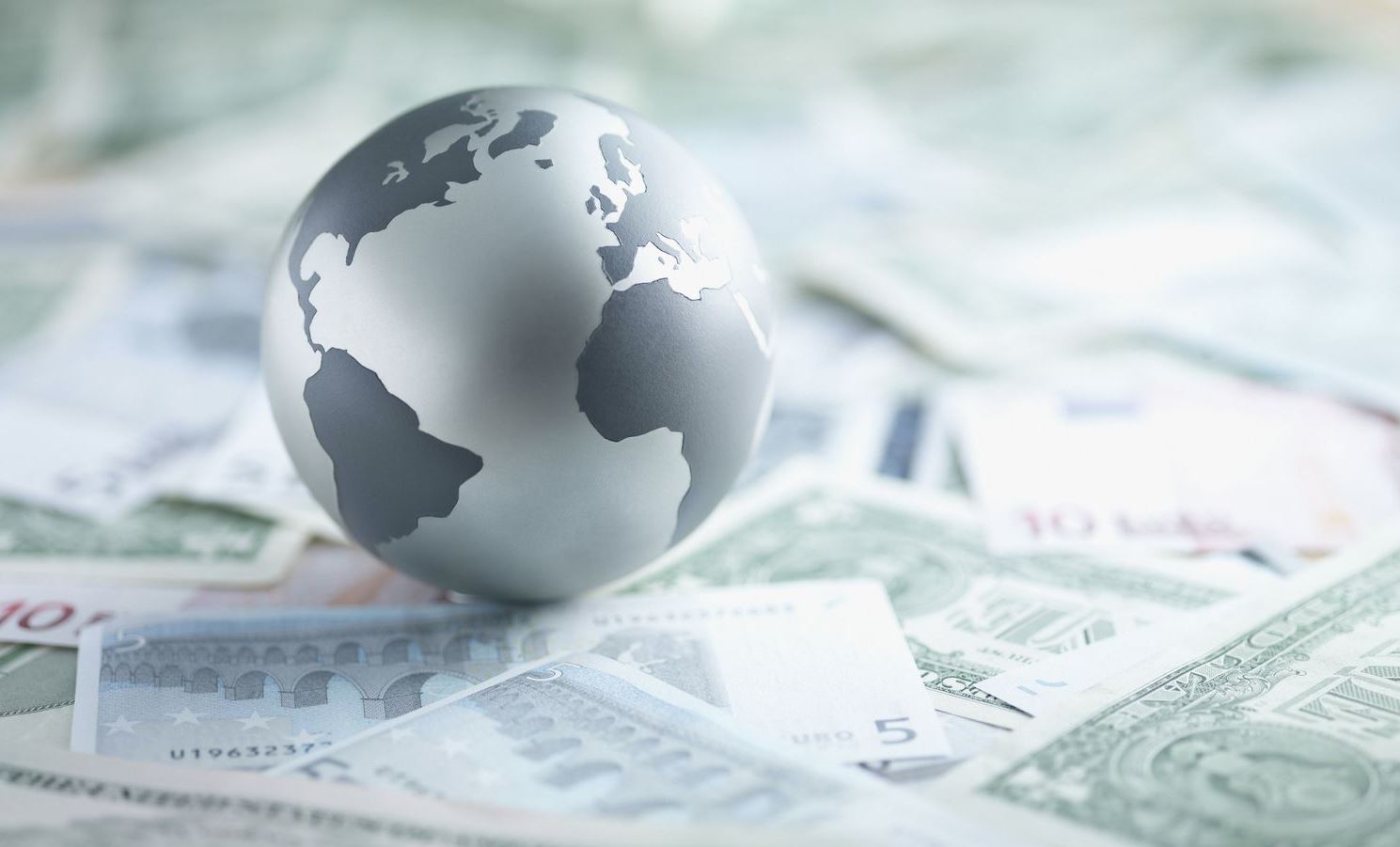
Understanding how human rhythm shapes the unseen cycles of economic life
The Pulse That Connects Production and Emotion
Economies move with a tempo that mirrors human behavior. Behind every report and statistic lies a network of decisions made by people responding to hopes, fears, and expectations. Production grows when optimism spreads, then slows when anxiety returns. Factories, farms, and financial systems breathe together, following emotional signals that ripple through supply and demand. Economists describe these movements through graphs and equations, yet those abstractions trace the heartbeat of collective psychology. The relationship between production and emotion becomes visible during transitions, such as recoveries that emerge after recessions or slowdowns that appear after euphoric expansion. The rhythm of creation and consumption unfolds through time, blending tangible labor with intangible feeling. Recognizing this connection allows policymakers and investors to interpret fluctuations not as chaos but as expression, the product of shared sentiment. When people regain confidence, spending rises, and the machinery of commerce accelerates once again. This constant interaction between data and desire creates the living texture of the economy, a pattern that remains familiar across centuries despite technological change.
The Architecture of Interdependence
No nation exists in economic isolation. Trade routes, investment channels, and digital infrastructure link billions of participants who influence one another’s prosperity. A harvest in one region affects commodity prices in another, while innovation in a distant laboratory reshapes employment somewhere else. This web of interdependence magnifies opportunity but also risk. When systems integrate deeply, disturbances travel farther and faster. Supply chains built for efficiency can transmit disruption with equal speed. Understanding interdependence requires more than statistics about imports and exports; it involves studying how incentives align and how trust circulates among partners. Economic agreements, whether formal treaties or silent habits, act as the glue holding these structures together. As markets globalize, coordination becomes essential. A shock in credit markets or energy supply can trigger feedback loops that challenge even resilient institutions. The architecture of interdependence thrives when transparency, regulation, and adaptability coexist. When any of these weaken, fragility spreads. The challenge for modern economies is to balance efficiency with redundancy so that the network endures stress without collapsing.
The Hidden Logic of Scarcity and Desire
Scarcity defines economic behavior because resources remain finite while aspirations expand endlessly. Every choice reflects trade-offs that reveal what societies value most. Economists model this through supply and demand curves, but the deeper truth lies in how scarcity stimulates creativity. When materials or labor become limited, innovation rises to bridge the gap. Scarcity therefore operates not only as constraint but also as catalyst. Desire amplifies this process, pushing individuals to pursue more efficient methods and alternative goods. History shows that scarcity drives technological revolutions as much as abundance sustains them. For example, limited energy resources encouraged the development of renewables, and rising costs in traditional manufacturing accelerated automation. These adaptations transform the nature of scarcity itself, replacing old constraints with new ones. As digital assets and intellectual property gain importance, scarcity shifts from physical to conceptual form. Ideas become the resource, and attention becomes the currency. The logic of scarcity and desire thus continues to evolve, always reminding us that every gain carries an invisible cost measured in opportunity, time, or trust.
Cycles That Shape Prosperity
Economic cycles repeat in varying forms, each tracing a familiar path through expansion, peak, contraction, and recovery. These cycles reflect both structural conditions and collective behavior. During expansion, credit flows freely, employment rises, and optimism fuels consumption. At the peak, saturation emerges as prices outrun fundamentals. Contraction follows as spending slows and balance sheets tighten. Recovery begins quietly, often before public sentiment improves. Economists measure these phases through output, inflation, and unemployment, but behind the metrics lie stories of adaptation and resilience. Understanding cycles helps governments design countermeasures such as fiscal stimulus and monetary easing, while investors use them to time asset exposure. Yet cycles are not clockwork; they vary in duration and intensity based on technology, policy, and psychology. Digitalization and global finance have shortened some feedback loops while lengthening others. Modern economies also face hybrid cycles that merge financial and real sectors, making predictions harder. The wisest approach accepts that cycles cannot be abolished but can be softened through prudent management. Recognizing rhythm, rather than resisting it, leads to more stable progress.
The Conversation Between Policy and Reality
Economic policy operates as an ongoing dialogue between theory and circumstance. Policymakers design frameworks to guide behavior, yet outcomes often differ from intentions because human systems resist perfect control. Central banks adjust rates to influence credit, but market psychology can amplify or mute their effects. Governments create fiscal programs to stimulate growth, but execution depends on bureaucracy and political compromise. The conversation continues in feedback loops, where data informs new decisions and consequences shape revised strategies. Effective policy requires flexibility and awareness of unintended outcomes. Inflation control, for instance, involves balancing price stability with employment goals, a task complicated by global supply dynamics. Trade policy must weigh protection of domestic industries against the benefits of competition and cooperation. Over time, policies that succeed share traits of transparency, adaptability, and credibility. When citizens trust institutions, the transmission of policy becomes smoother because expectations align. In contrast, when confidence erodes, even sound measures fail to gain traction. The economy therefore listens not only to rules but to the tone of those who enforce them.
Technology as the Engine of Transformation
Innovation continually rewrites the structure of economies. From the steam engine to the microchip, each technological wave changes productivity, employment, and social organization. The current era of automation and artificial intelligence accelerates this transformation by blurring boundaries between sectors. Productivity gains from technology can lift living standards, but they also shift income distribution and labor demand. Tasks once considered stable may vanish, replaced by new roles that require creativity and analytical skill. Economists study these effects under the framework of creative destruction, where progress dismantles old systems to build stronger ones. The challenge lies in transition. Workers displaced by technology need retraining and safety nets that support adjustment. Education systems must evolve to emphasize adaptability over memorization. Meanwhile, technology expands access to information, enabling entrepreneurs to reach markets that were previously unreachable. The balance between innovation and inequality defines whether technology becomes inclusive or divisive. Nations that invest in both infrastructure and human capital can harness the full power of progress, transforming potential disruption into sustainable growth.
The Influence of Culture and Values
Economic behavior does not arise in isolation; it reflects the moral and cultural values of societies. Attitudes toward debt, saving, and consumption vary across regions because they stem from deep-rooted traditions. In some cultures, collective welfare takes precedence over individual gain, shaping taxation and welfare systems that emphasize equality. In others, entrepreneurship and personal ambition drive growth through competition. Understanding these differences provides context for global cooperation and conflict. Economic systems thrive when they align with the cultural expectations of their citizens. Rapid reforms imposed without consideration of local norms often fail because trust erodes. Culture also affects responses to crises. Communities that emphasize solidarity recover faster from recessions because networks of mutual support buffer shock. Values evolve as societies mature, influencing policy choices related to sustainability, gender equity, and ethical finance. As environmental awareness spreads, many economies are redefining prosperity to include ecological balance and social well-being. The future of economic development may therefore depend on how values expand beyond profit toward preservation and inclusion.
The Balance Between Growth and Sustainability
Growth has long served as the principal measure of economic success, yet unlimited expansion collides with finite resources. The balance between prosperity and preservation defines the central dilemma of this century. Sustainable growth seeks harmony between environmental stewardship, social equity, and financial stability. It challenges traditional metrics such as gross domestic product by introducing broader indicators that capture quality of life and ecological impact. Achieving this balance requires coordinated action among businesses, governments, and consumers. Renewable energy, circular manufacturing, and responsible consumption all contribute to reducing strain on natural systems. Economic incentives such as carbon pricing and green bonds translate environmental goals into market language that investors understand. Transitioning toward sustainability also presents opportunity, as innovation in clean technology and resource management creates new industries. The true test lies in persistence, since environmental progress unfolds slowly while market pressures demand immediacy. Success will depend on whether societies can value long-term health as highly as short-term gain. Balancing these objectives marks the evolution of economics from survival toward stewardship.
The Human Element Within Systems
At its core, economics remains a study of humanity. Behind every chart lies a face, a choice, a consequence. Systems exist to serve people, not the reverse. When policies forget this, numbers may improve while lives deteriorate. The most resilient economies are those that remember empathy, fairness, and dignity as essential resources. Whether designing fiscal frameworks or evaluating markets, economists must remember that the ultimate objective is well-being. Growth, innovation, and trade hold meaning only when they improve daily existence for real individuals. As data grows more sophisticated, the human element risks fading into abstraction. Restoring that balance requires storytelling alongside analysis, compassion alongside precision. When decision-makers view progress through both statistical and moral lenses, societies prosper in ways that statistics alone cannot measure. The story of economics therefore continues as a dialogue between reason and empathy, reminding us that prosperity without humanity remains incomplete. In that awareness lies the possibility of building a world where numbers and people rise together with purpose and grace.